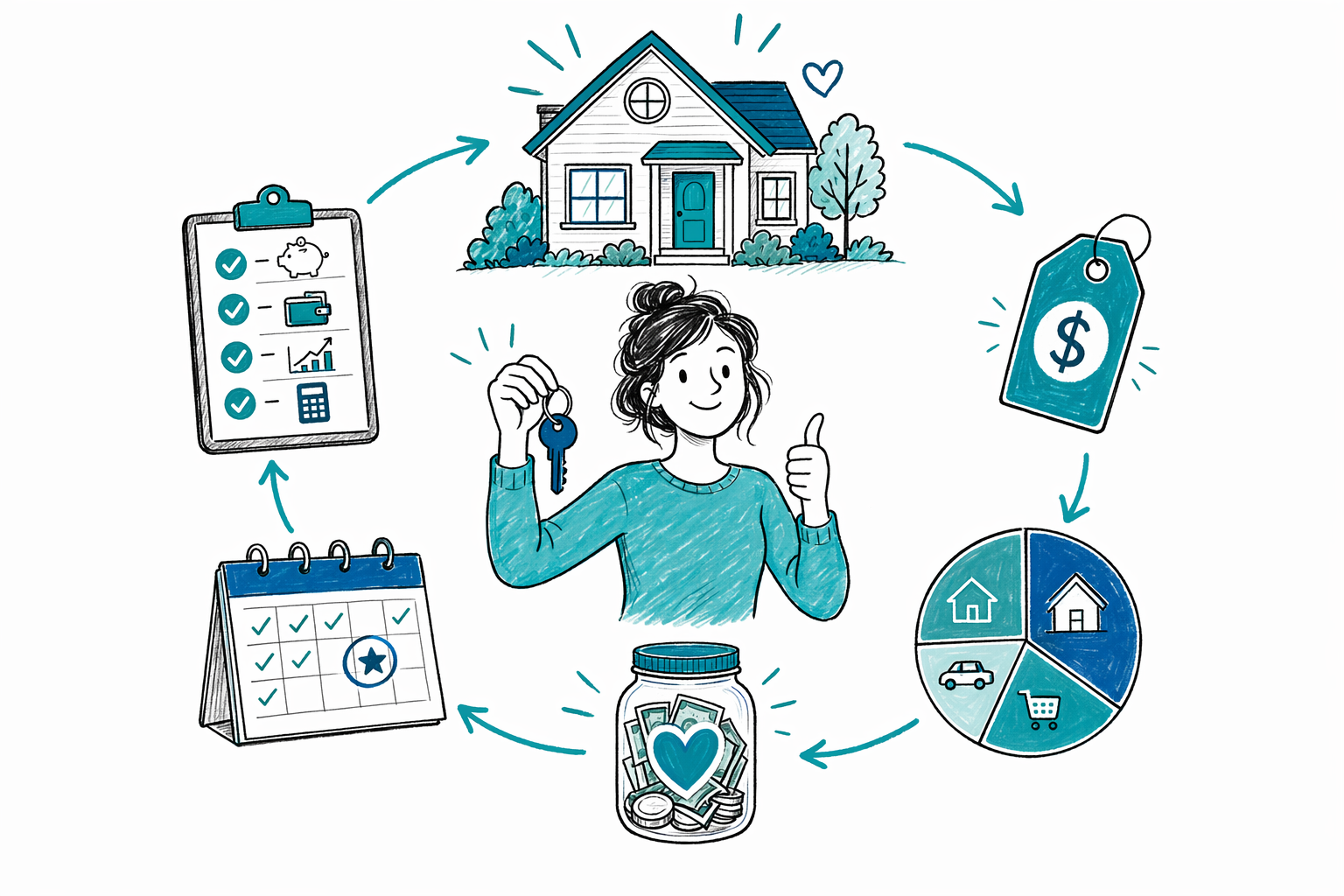
The situation
A new homeowner in the US wanted an in-ground pool for a small backyard. They were excited, but also nervous. English was not their first language, and this was their first time hiring for a big outdoor project.
Their starting budget was about $65,000 to $80,000 for the pool project. They had seen online prices all over the place. Some looked too low to be real. Some were missing basic items like excavation, electrical, fencing, or startup.
They also did not know which pool type made sense. A typical gunite/concrete pool can run about $60,000 to $135,000. A typical fiberglass pool can run about $45,000 to $95,000. A typical vinyl-liner pool can run about $35,000 to $70,000. Smaller or plunge-style pools can be less. But the real price depends on type, size, site conditions, finishes, and local area. That was the first useful lesson: headline numbers are not the full job cost.
Instead of trying to guess, the homeowner used a free matching service to connect with builders they could speak with directly. Then they compared the scope line by line. You can do the same through get matched or start by reviewing typical costs.
What they did differently
The homeowner did a few simple things right from the start.
- They set a firm target before meeting builders. Not just a dream number. A real max number.
- They stayed flexible on shape and finish, not on safety or quality.
- They asked every builder for written scope. They wanted to know what was included, what was excluded, and what could trigger extra charges.
- They verified basics themselves. License, insurance, and bond status.
They talked with more than one builder and asked the same questions each time. That made it easier to compare answers.
Questions that helped:
- Is the price range for the pool only, or for the full backyard scope?
- Does it include excavation, haul-away, equipment pad, basic decking, electrical, and startup?
- What happens if the soil, access, or utility lines make the job harder?
- What permits are usually needed here, and who handles them?
- What safety barrier or fence rules apply locally?
- What upgrades are most common, and which ones can wait until later?
The homeowner also spent time learning the tradeoffs between fiberglass pools and gunite/concrete pools. They liked the custom look of concrete, but for their lot and budget, they learned that a simpler option might reduce surprise costs and schedule delays.
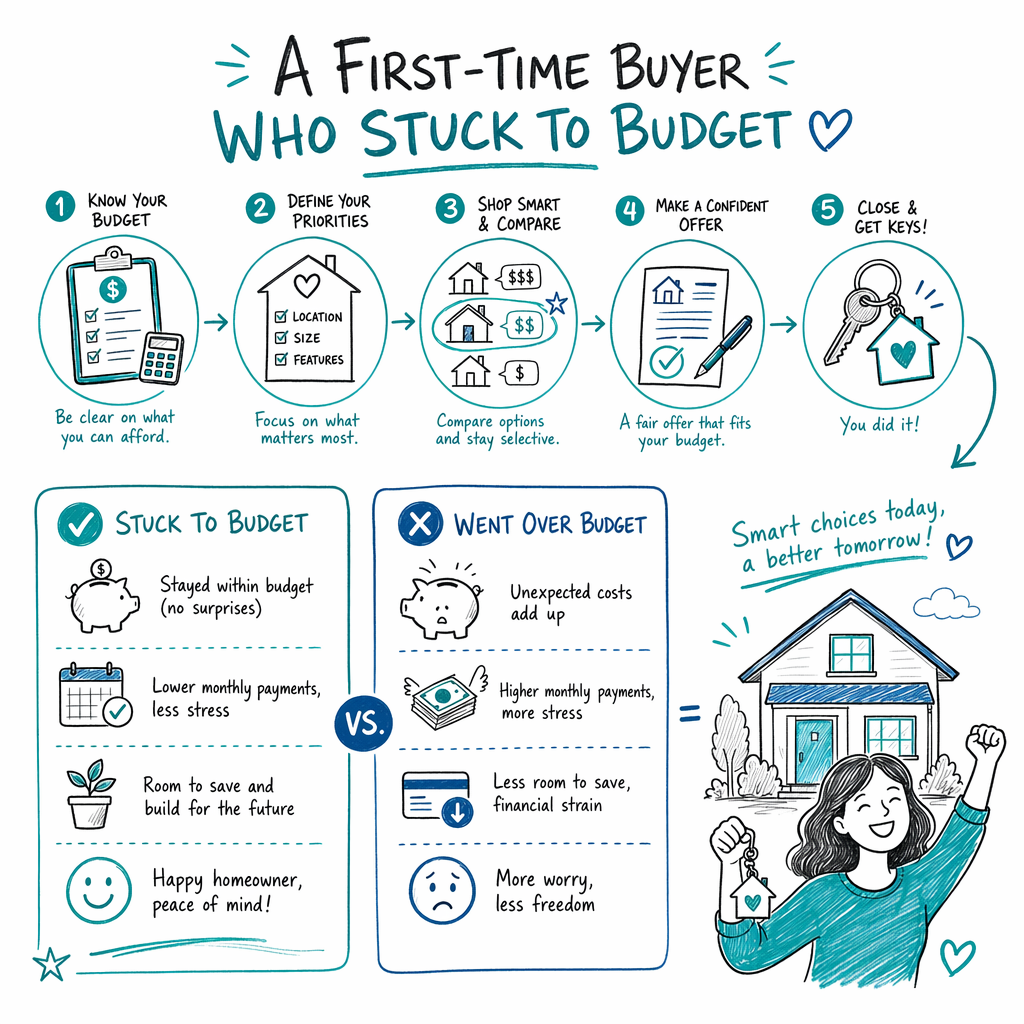
Where they almost went over budget
The first numbers looked manageable. Then the add-ons started showing up.
This is where many first-time buyers get burned. Not always by fraud. Often just by underestimating the full project.
In this case, the pressure points were:
- Upgraded tile and coping
- More decking than they first planned
- Extra drainage work because of yard slope
- A larger heater than they really needed
- Fancy automation package
- Decorative lighting upgrades
None of these items were wrong. They just added up fast.
One builder presented a low starting number, but many important items were either unclear or listed as possible change orders. Another builder gave a higher initial estimate, but the scope was more complete. That second estimate was easier to trust because it showed more of the real job.
The homeowner made three smart cuts:
- They chose a simpler pool shape.
- They reduced the amount of new decking to what they truly needed now.
- They postponed non-essential upgrades that could be added later.
They did not cut corners on builder credentials, written scope, permits, or safety barriers. That matters. Homeowners should hire licensed, insured, and bonded builders, verify those credentials themselves, get price and scope in writing before any deposit, and follow local permit and pool-safety/fencing laws. These are not small details. They protect your money and your family.
If you are not sure what to check, read how to vet a pool builder before signing anything.
The outcome
The homeowner did not get every wish-list feature on day one. But they got a pool plan they could actually afford.
Their final contract landed near the middle of their target budget range, not at the very bottom and not far above it. That happened because they compared written scope, removed nice-to-have items, and chose a builder based on clarity, not just the lowest number.
Just as important, they felt more in control.
They understood:
- what they were paying for
- what might still change if site conditions were different than expected
- what was required for permits and inspections
- what safety items had to be part of the plan
This is the part many people miss. A good outcome is not only about getting a lower price. It is about avoiding a bad surprise later.
For homeowners who are new to this, especially if English is not your first language, the best move is often to slow down and compare carefully. Ask for simple explanations. Ask builders to write things clearly. Keep notes. And do not hand over a deposit until the scope makes sense to you.
If permit steps feel confusing, review pool permits explained.
Takeaway for other first-time buyers
If this story sounds familiar, here is the practical lesson.
Budget control starts before construction starts. It comes from choosing the right pool type, comparing complete scope, and refusing to guess what "included" means.
A simple plan you can follow:
1. Set a real maximum budget and keep a small cushion for site-related surprises.
2. Compare at least a few builders on the same project description.
3. Ask for written scope, exclusions, timeline, and payment schedule.
4. Verify license, insurance, and bond yourself.
5. Make sure permits and safety barrier requirements are addressed.
6. Save upgrades for later if they push the project beyond what you can comfortably afford.
DeepEnd Match is a free matching service for homeowners. We do not build pools or give construction, legal, or financial advice. We help you connect with builders so you compare quotes, you choose who to hire, and you hold the final payment.
Want to stay on budget? Set a real max number, compare written scope from licensed, insured, bonded builders, verify credentials yourself, and cut optional upgrades before you cut safety or quality. Matching is free, and you choose who to hire.
Common questions
How many builder estimates should a first-time pool buyer get?
Usually at least 2 to 4 is helpful. The goal is not to collect the most estimates. It is to compare **clear written scope** from licensed, insured, and bonded builders. Make sure you verify those credentials yourself and check that each estimate covers similar work.
Is the lowest pool estimate usually the best deal?
Not always. A low estimate can be fine, but sometimes it leaves out important items or pushes costs into change orders later. Look at the full scope, exclusions, allowances, site assumptions, permit responsibilities, and payment schedule. Get everything in writing before any deposit.
What is the best way to stay on budget with a new pool?
Pick a realistic pool type and size first, then control upgrades. Typical ranges are about $60,000-$135,000 for gunite/concrete, $45,000-$95,000 for fiberglass, and $35,000-$70,000 for vinyl-liner, with smaller/plunge pools often less. Real price depends on type, size, site, finishes, and area. Keep a cushion for site issues, follow local permit and safety laws, and avoid adding optional features until you understand the base project cost.